
When Will 6G Come Out?
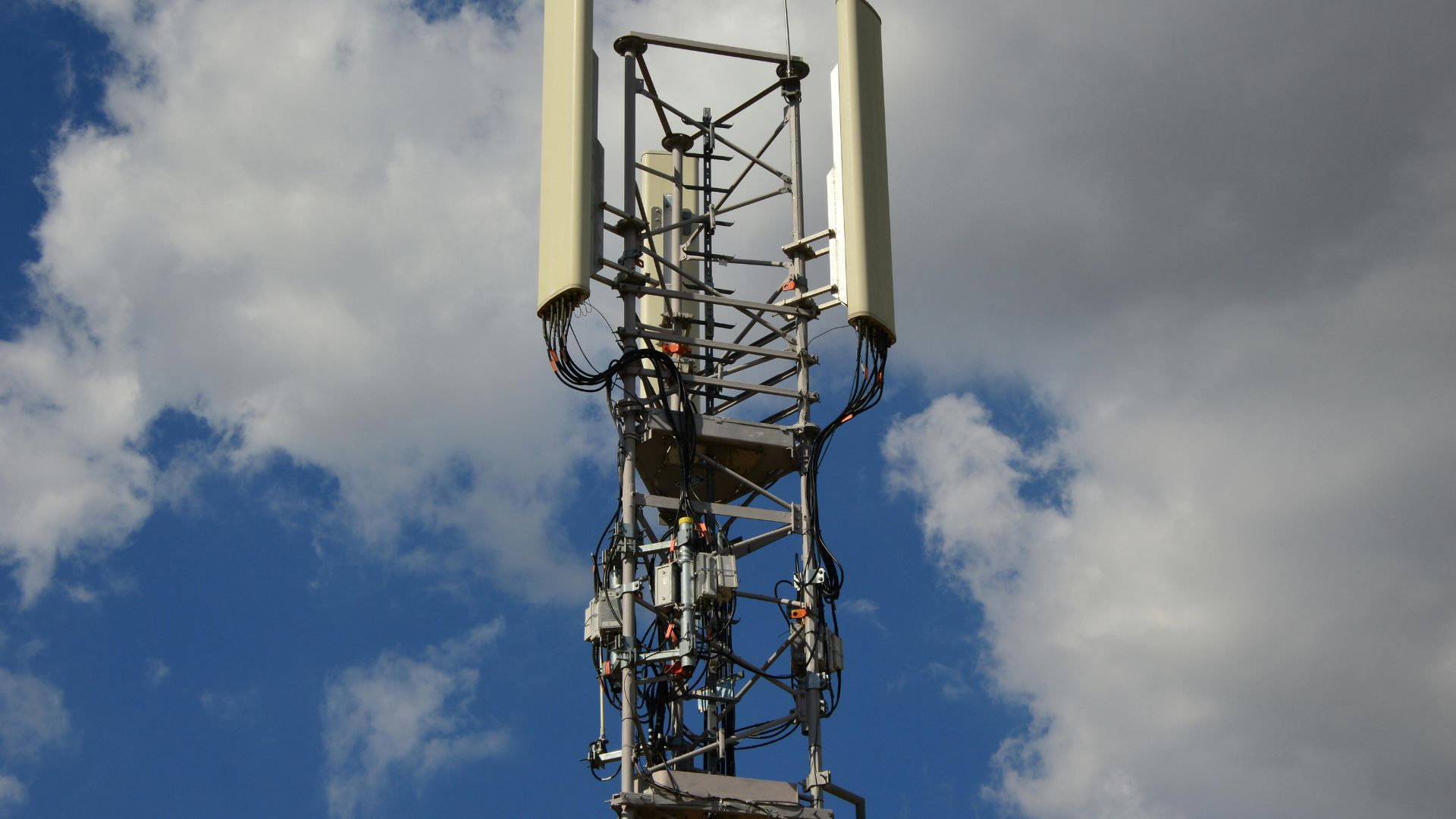
You’ve more than likely heard of and know what 4G and 5G are in terms of your mobile signal. Well, did you know that 6G might be on the horizon? It feels as though 5G was only just released, but with how quickly technology is improving, the need for a newer cellular network is fast approaching. But does that mean that a 6G network will soon become available?
6G is currently in the very early stages of testing and development. With ongoing research and standards discussions still taking place, it will take a while for the technology to become fully fledged and released to the public. The nearest date you could expect to see it is 2030.
Keep reading if you’re interested in 6G and would like to find out more.
Jump to:
What Is 6G?
6G is sixth-generation wireless technology that’s used widely for mobile networks. It promises to bring enhanced wireless communications by taking advantage of the already existing 5G infrastructure. The difference will be that 6G will use ultra-high radio frequencies to carry more data at faster speeds than 5G, and it is rumoured to have a built-in artificial intelligence (AI) with machine learning.
What Is The Difference Between 5G and 6G?
6G aims to expand upon the existing wireless communication infrastructure that 5G uses. 5G currently has a speed range of 100Mbps to 20Gbps, delivering 20 gigabytes of data in one millisecond. 6G has plans to deliver one terabyte of data in one microsecond. This will make 6G potentially 1,000 times faster than 5G, and will improve the speed, reliability, and size of network coverage. In theory, this should provide users with a more seamless connectivity while online.
However, as 6G is still in the development stage, how it will perform won’t be certain until it is further developed.
For more information on how 5G works, take a look at our blog, “What is 5G, and how does it work?”.
What Year Will 6G Be Available?
Although there is a high interest in 6G, and the need for it is slowly increasing, it is still in the early development stages. Governments are funding the research into 6G as technology develops and 5G slowly becomes redundant. That being said, the full development and release of 6G is a long way off. Current predictions have the release date of 6G set at some time around 2030.
5G is still relatively new and in its prime, with many (if not all) network providers adopting the technology and rolling it out to their users, the need for 6G is small. This could push the release date of 6G back even further.
What Will The Advantages and Disadvantages of 6G Be?
Although it’s hard to be certain about the disadvantages and advantages of 6G, as it has not yet been fully developed, there are a few predictions.
Advantages Of 6G
Lower Latency and Faster Speeds
Latency is the time it takes a signal to make a round trip. This time will drop to a microsecond when using 6G, making it 1,000 times faster in speed. However, although this sounds amazing, it will not be visible to the human eye.
Seamless Connectivity
6G’s infrastructure is set to be able to support 10 million devices per square kilometre. This is because it is anticipated to streamline machine-to-machine communication by the use of AI being built into the framework, capable of handling AI-enhanced technology.
New Spectrum Bands
Every generation of mobile network, such as 4G, 5G, etc., has introduced a new spectrum of radio waves. Currently, 5G’s spectrum band spans from 24 to 40 gigahertz, whereas 6G is set to span from seven to 20 gigahertz. This means that a wider area will be covered by the wireless network as the lower the frequency, the wider the area covered.
Integrated Communications
With the development of the 6G wireless network, it is theorised that aerial, ground, sea, and even space communications will be able to merge onto one platform. This will connect devices and create a connectivity we’ve never seen before.
Disadvantages of 6G
Expensive to Design and Build
6G aims to utilise a lot of software such as AI, cloud data systems, edge computing, and nodes. To design this new hardware and then get the infrastructure up and running at such a large scale, it will be costly.
Vulnerable to Cyber Attacks and Security Breaches
As 6G plans to use interconnected networks, this means it will be more prone to security threats as the system used will be centralised and the size of the attack surface of 6G will be increased due to IoT, open-source technology, and virtualised networks. This will give unauthorised users more points of entry to breach the system than previous networks.
Do We Need 6G?
In the future, a 6G network will work wonders for developing technologies such as self-driving cars, augmented reality, and even smart cities. However, for now, the need for 6G all depends on the further development of these emerging technologies. The 5G network is currently in its prime and supporting the technology we use today with ease.
High-Performance 5G Mobile Phone Signal-Boosting Solutions by NetCov
Here at NetCov, we know just how important it can be to have a strong and reliable 5G signal. That’s why we specialise in designing and installing high-quality 5G signal-boosting systems to support businesses like yours and enhance your 5G connectivity. We’ve worked with businesses in a wide range of industries, including manufacturing, healthcare, and hospitality.
All our signal boosting systems are Ofcom-approved, meaning you can be sure your business will be fully compliant with UK legislation when you choose NetCov. We install our signal boosters throughout the whole of the UK and supply some of the most popular UK networks such as Three, EE, O2, and Vodafone.
To find out more about how we can help your business make the most out of 5G connectivity, contact our team today, or get started with a free consultation below.